

How to Protect a Newly Recovered Creative Rhythm

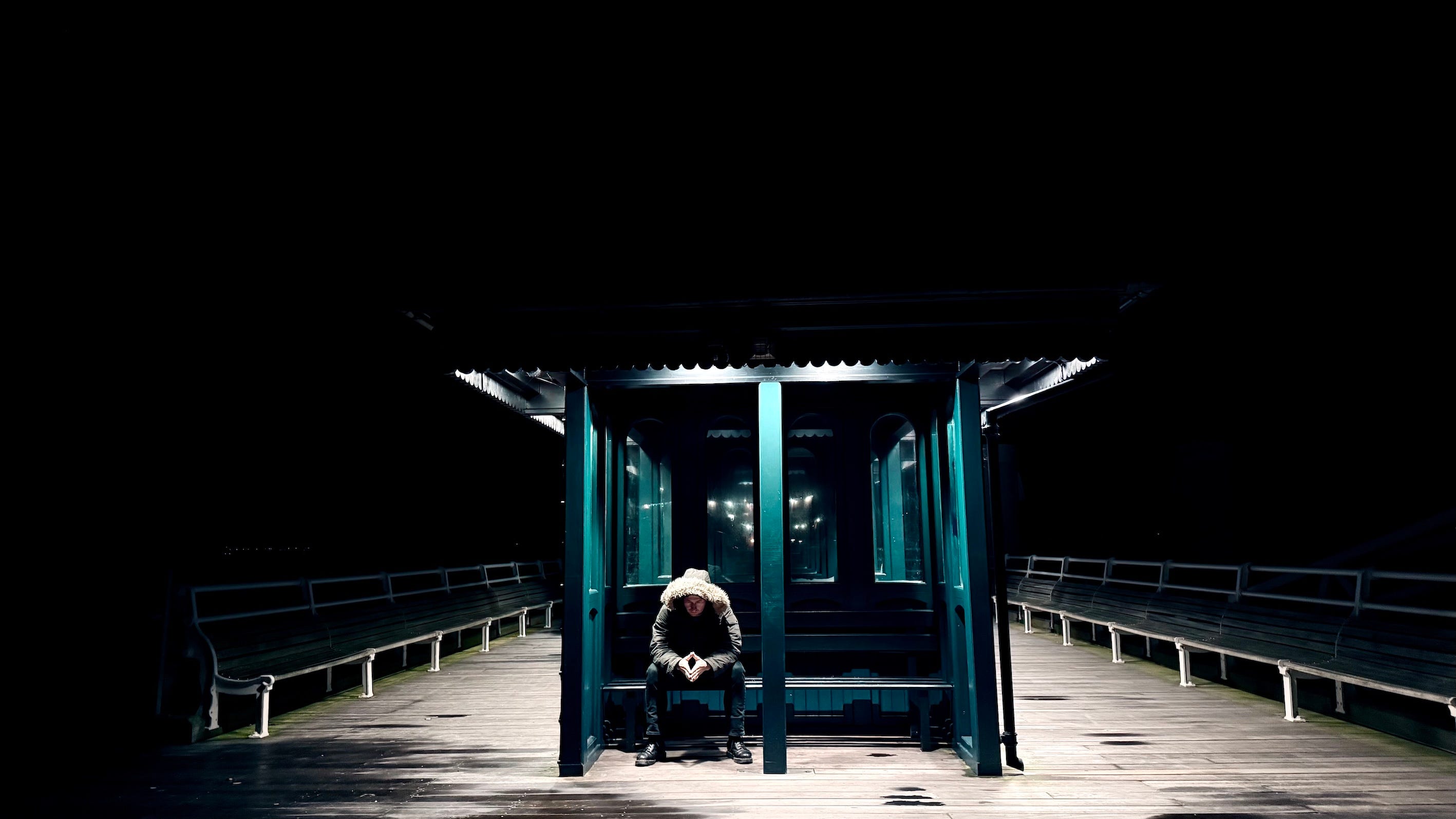
I couldn’t help but chuckle to myself.
After wrenching myself out of my epic three-month period of creative resistance, there I was, on a plane, heading away for a week.
I was looking forward to spending time with my Dad, but having had such a seismic breakthrough back to my creative self and my project, I was loath to leave behind my newly discovered groove.
For me, that meant specifically leaving behind what I like to describe as my boring routine, not boring because I dislike it, but because when I am in my best creative rhythm, there is a cyclical similarity to the days.
On the plane it struck me that the reason I was struggling with leaving was because we feel a sense of fragility when we are in the early stages of recommitting to a project or our creative life.
And yes, after this three-month block, when I had lost all momentum with my album, to the point where I did not touch an instrument for three months, my new rhythm felt very fragile indeed.
“What,” I asked myself, “can we do to safeguard our new routines from the return of our own blockages, and from life’s all too familiar habit of finding new ways to knock us off course?”
That is the subject of this week’s newsletter, written as I battle cancelled trains trying to get from one side of Britain to another. It’s about how to protect a fragile creative rhythm — and what actually works in the first vulnerable days of getting your momentum back.
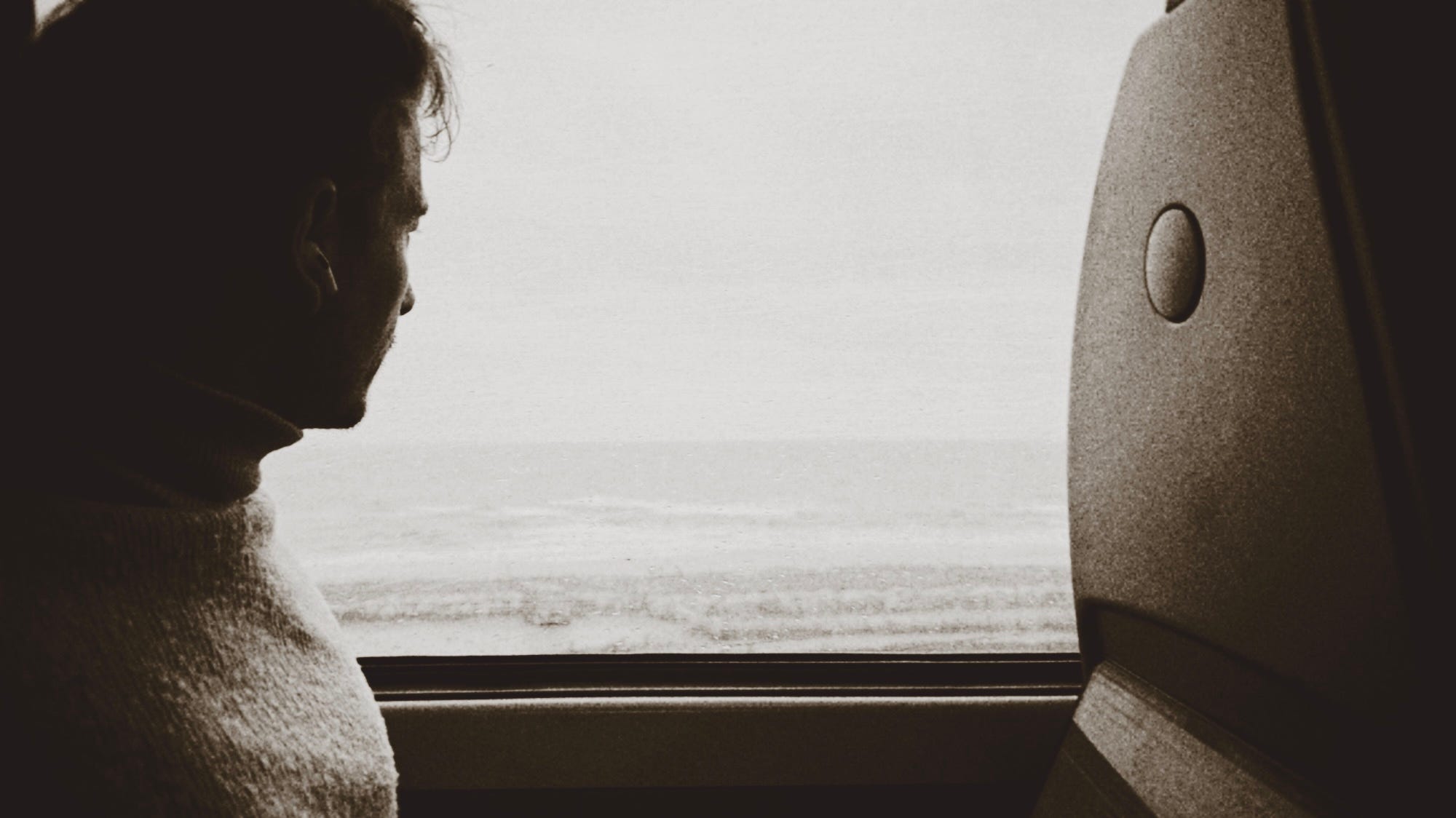
1. The Sanctuary of a Borrowed Hour
Going away, I was faced with the paradox that I wanted to be fully there with my Dad, but also not lose my way with my hard-fought-for creative groove.
Being present means not being half elsewhere with those you love. I’ve had too many times when I’ve carried too much with me.
Equally, with having five days, I knew I could find a pocket. I’d zeroed back in recently on my piano playing, but with Dad having no piano, I made a few calls.
My sister-in-law, an exuberant spirit, heartily welcomed me over, apologising in advance that the piano hadn’t been tuned for ten years and, being unluckily placed next to a dartboard, had suffered a thousand punctures from a thousand tipsy Welsh nights.
“Perfect!”, I thought.
Arriving over, I had a full hour to lock myself away and carry on my efforts to learn one of my favourite songs in the world, “Saman” by Ólafur Arnalds.
It’s way beyond my pay grade, but the sheer love of the song is dragging my level upwards.
I butchered it for a full hour until Sasha, now off her work call, bounded down and demanded I perform it.
My initial attempt to resist was knocked back by her furrowed brow. My excuses, now sizzled out, were firmly set aside, and I unexpectedly found myself preparing for my first ever piano performance to a living human being.
Gulp.
Starting, I felt extraordinarily self-conscious.
“You’re a year away from being able to even try this, idiot!”
And yet, as I began playing, the practice from my boring routine over the last few weeks started taking over from my mind and placing itself into the tempo of my fingers.
I felt, suddenly, more inside the song than even my love for the song itself had ever brought me.
I was inside it, as if whatever longing had called me to it was finally, for the first time, expressing itself.
As someone who doesn’t read music and started the piano during the pandemic, I felt, for this brief time, extended beyond a previous version of myself.
I managed not just to get through it but, in my brutal, hacking way — somehow expressive of the thousand lacerations of the dart holes — to find a strange oneness with the piece.
I got through the song, in its entirety, for the second time in my life, and even received a little applause afterwards!
As I left the house, the impact of that hour, or rather what it represents, started playing out in me.
Yes, sometimes, we have to wriggle through by subtle manoeuvres…

2. Why a Discovered Hour Matters
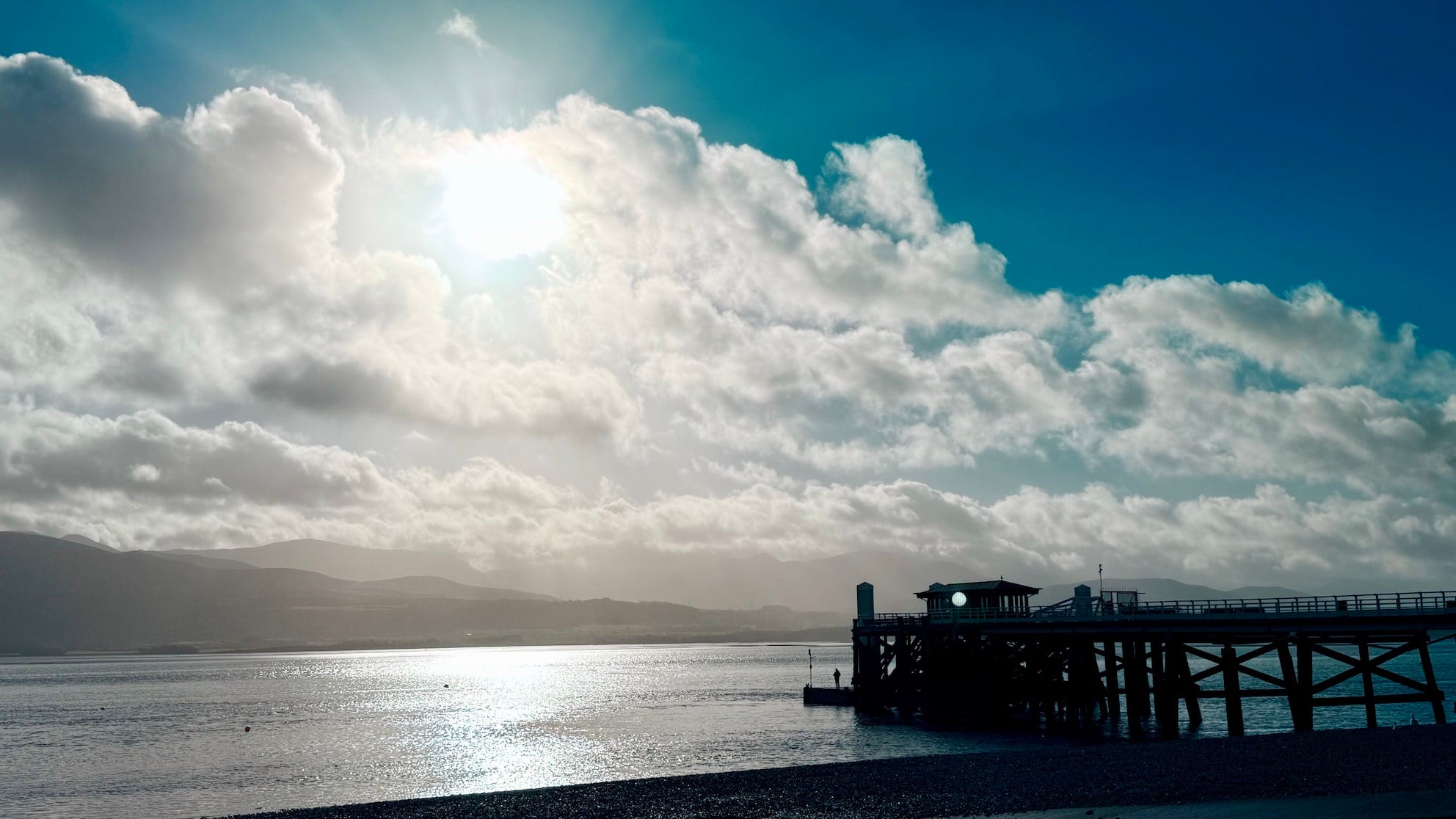
Later that night I went for a wander along the Menai Straits and felt a deep sense of gratitude for this little session.
It’s just a session…
No — sometimes the little pocket of time you find when life really is getting in the way becomes allegorical.
Life will always pull us from our projects. And that’s before the many demons appear from within us along the way too.
Each must be overcome, though not by brute force.
What struck me was the comedy of this little expedition:
my 80-year-old Dad opening the door and nearly getting knocked over by the gale before announcing “pig of a day,” and marching out, stick in hand, to drive me over
the dart-daggered piano
the unexpected recital
It was more about a gentle determination, a hearty degree of surrender, and a healthy dose of the absurd, rather than the queasy dogma of grind culture.
Yes, sometimes you have to find a way. But it can be your way.
And maybe that was the significance of this little session — that it wasn’t forced, but simply allowed to happen.
The gale, my eighty-year-old Dad, and my gumption-filled sister-in-law became unknowing spirit guardians in my effort to get this album out.
The funny thing is that by the time you come to complete a project, what really adds up and makes the difference is less the soaring vision that compelled you to venture out — it’s these deliciously unlikely moments where you show yourself, the world, and your creative heart that yes, you will do this, come what may.
3. Just Show Yourself
As I drive towards Scotland to see the rest of my family, the fear that my resistance would return as a result of this week away has been vanquished.
I will be fully with my family, and all the more, because I have shown myself something:
That the fragile rhythm I’d built up is within me again. Getting that one good hour in did three things:
it showed me that I’m serious not just about carrying out my creative habits, but about safeguarding them too
that the negativity I felt in my block has been flushed out with the lightness of spirited action
that when life gets in the way, I can proactively find a way
Sometimes, you just need to show yourself.
And that means not only doing an affirmative action, but doing something you wouldn’t normally do.
From the outside, going thirty minutes up the road to find a piano is utterly insignificant. But for me, for my reconnection to this fragile entity that is the creative self, it meant the world.
4. Hemingway’s Dictum
Looking back on his experience in the war, Hemingway wrote that in civilian life he felt oppressed by choice. He missed the desperate clarity he felt in the heart of battle when one had to do “the one thing, the only thing.”
Creative life is not a form of warfare.
But often, especially as solo creators or independent artists, our route forward is defined not by an abundance of choice but by the limitation of what we can do.
Too often, we get stuck in the curious oblivion of all the things we could do, rather than committing to the one clear action we can.
The paradox is that this limitation is the very thing that helps you progress — the only force that moves you towards the crossroads where your options expand.
Equally though, sometimes we accept our circumstances at face value.
The trouble when you’re feeling negative or in a rut is that the piano that isn’t there becomes the whole reality.
Whereas when you’re in better flow — you find the damn piano.
You could say that this week I was in Hemingway mode. I was going to find the one piano, the only piano.
I refused to accept the circumstances that I was staying in a house with no piano, in an area where I didn’t know anyone.
The strange thing is that there is always a potential move we can make.
But sometimes, you have to invent yourself forwards.
Do the one thing, the only thing.
5. The Bottom Line
This week, I was unsure what to write about. When digging into my Substack, I’m always trying to mine from what's actually happening.
And originally, I wasn’t sure what or where to draw from.
But here’s the thing:
Your creative self is always speaking to you.
James Baldwin wrote:
The place in which I’ll fit will not exist until I make it.
Sometimes, the very limit of our circumstances can become the very thing we need to find a way forward — any way, forward.
If you are in a period where you’re either in deep resistance or struggling to make a move forward, here are my 5 actionable takeaways from this week:
1. Do What You Can, Not What You Can’t
The creative self exists inside us first — as a living potential. Even if your usual tools aren’t available, there is always a way to move the work forward — a small action, a borrowed space, an improvised tool.
2. Use the Tools at Your Disposal
When there is no tool, use the tool that you have at your disposal.
4. Space is a Superpower
When there’s nothing, I walk. Capturing the ideas that surface by accident is often the surest way to get a fresh take on an old problem. We’re so full these days that we forget the imagination is our chief asset — and the one we constantly drown.
4. Let Go Obsession & Do One Small Thing
We put so much pressure on ourselves. Rather than feeling gutted I was going to miss 6 days in a row, I managed to steal back an hour. Nothing is more fragile than your obsession. Why not instead: do what you can?
5. Have a Can-Do Attitude
It is life’s nature to find small obstacles. It will fill your path with distraction, entropy and things that drain you. You counteract this by the purest form of courage: having a can-do attitude in the face of the world’s debilitating negativity.
EXTRA EXTRA EXTRA!
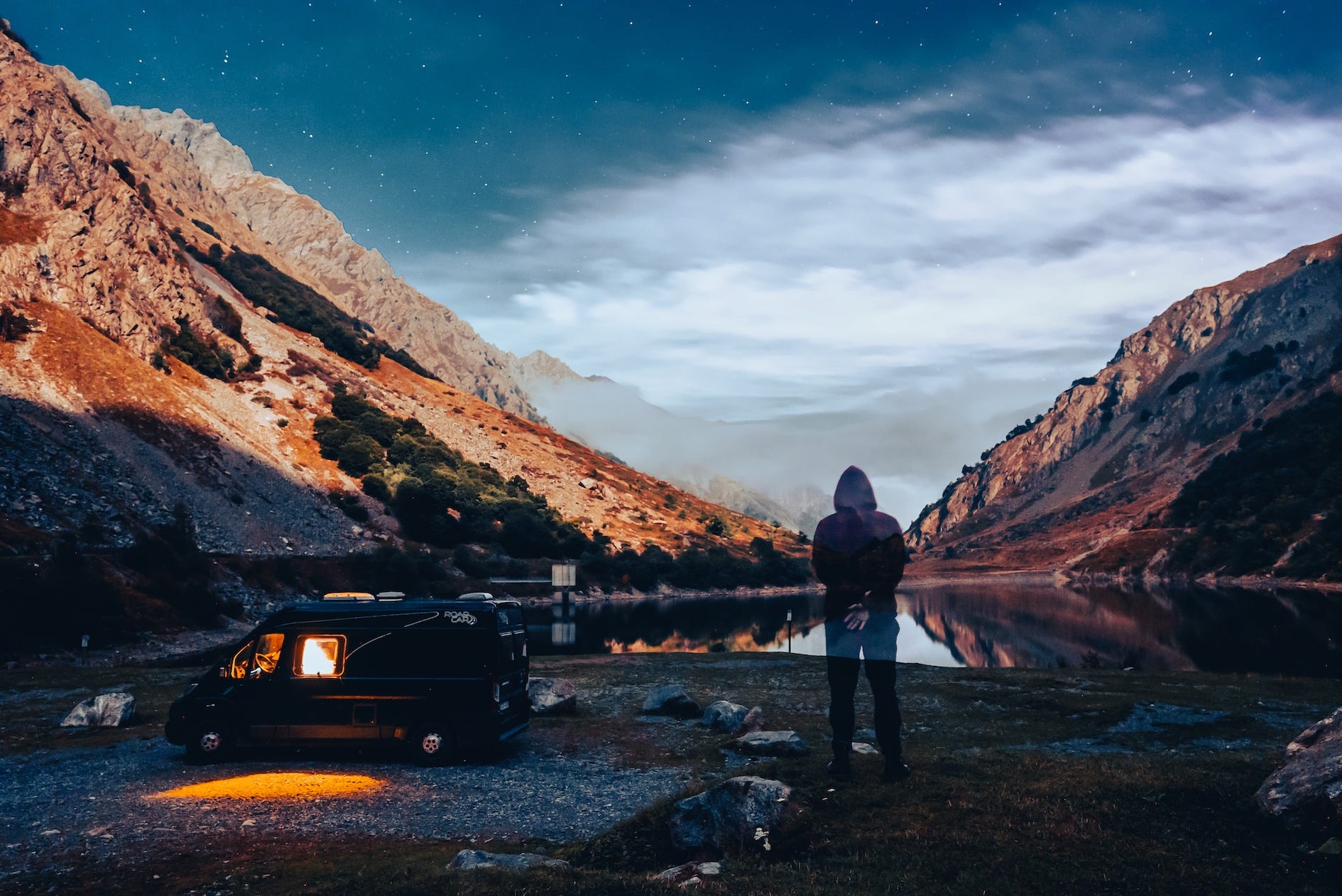
Photo from a magical place found exhausted and tired while driving through the Italian Alps.
1. FOR PAID SUBSCRIBERS:
Before I left Berlin, I promised I would try to record a full version of Olafur Arnald’s “Saman”. This is the first time I ever got through the full song and it’s full of mistakes, timing fluctuations and all the human stuff that goes with learning something challenging. But I did (kinda!) get through it! Afterwards, I talk about
how I’m learning piano without reading music
what it’s like to start piano in your 40s
the key breakthrough no one taught me about how to get better
the psychology of improvement
It’s all recorded in one take on my iPhone and is available only here. There are also two raw, live versions of my own songs played on acoustic.
2. HOW TO HAVE A CAN-DO ATTITUDE
3. GOOD NEWS FOR “THE CREATIVE LIFE” PODCAST!
That idea about “the one thing, the only thing” is powerful, and exposes a deep tension in creative work, I think.
We often feel, and hear people talking about, the idea that creative work is fun and exciting because it gives us a space with infinite choice. The blank canvas, the first note.
People express a lot about how amazing it is to have so much endless creative freedom. But also…. It can be paralyzingly to choose in that state. The blank canvas. The first note.
The idea that art gives you a space where everything else falls away and you have only a singular concern is intriguing because it’s like you radically limit all choices outside of art in order to get to a spot inside of art where you have limitless choices! And then the limitless choices inside the art can also be difficult and paralyzing, so you have to do it all over again!
My "can do" attitude comes out in my writing first and then I have the strength to see about implementing.